
How to Prepare Your Manuscript for Professional Publishing
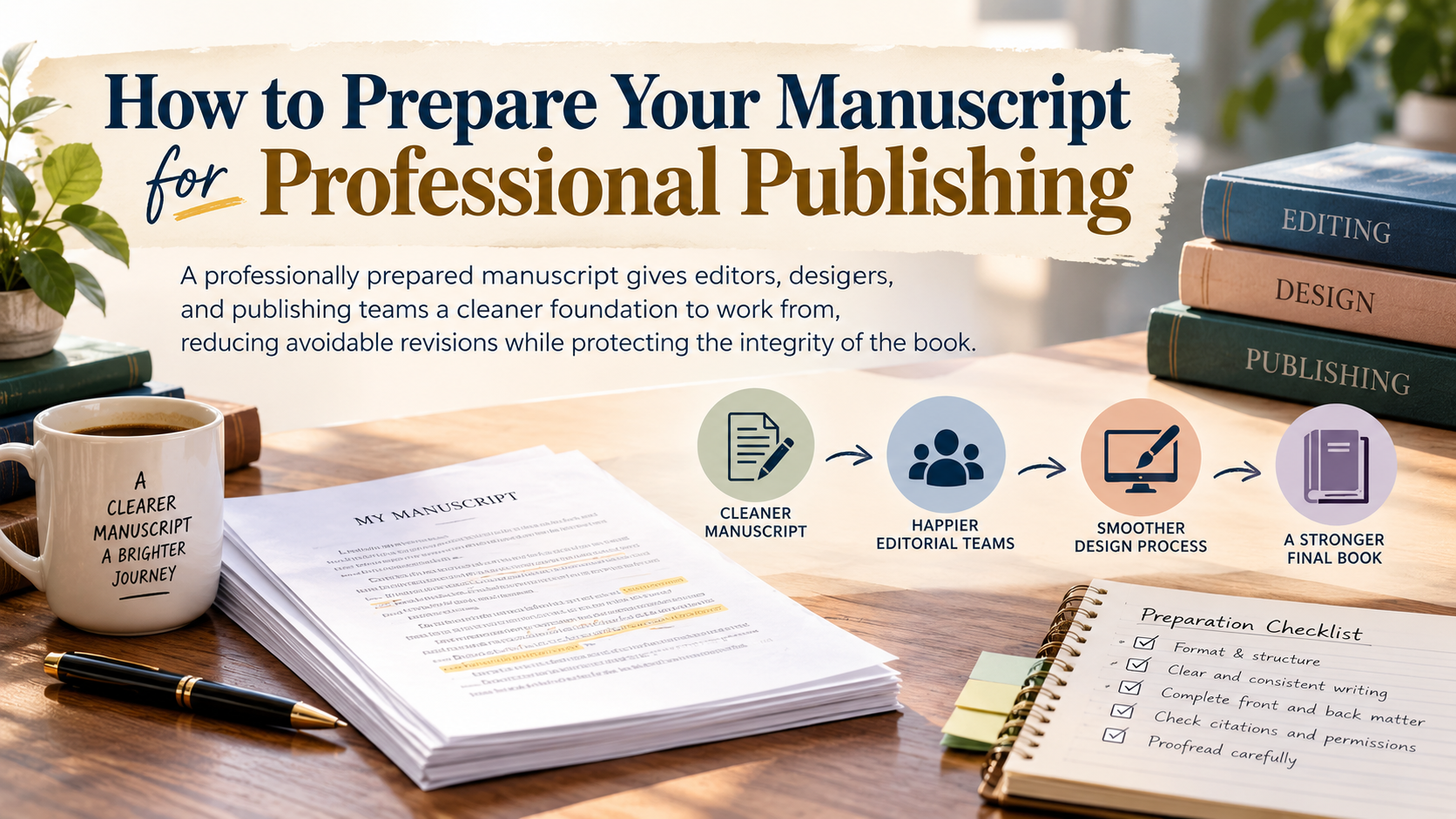
A professionally prepared manuscript gives editors, designers, and publishing teams a cleaner foundation to work from, reducing avoidable revisions while protecting the integrity of the book.
A finished draft and a publication-ready manuscript are not the same thing.
Authors often reach the end of a manuscript after months or years of work and understandably feel that the next step should be formatting, cover design, or uploading the book to a publishing platform. In professional publishing, however, there is an important stage between finishing the writing and producing the book: preparing the manuscript so that editorial and production work can proceed efficiently.
That preparation involves more than correcting spelling mistakes. The manuscript needs to be structurally settled, internally consistent, properly organized, free from unnecessary formatting, supported by usable source files, and clear about any material that may require permission.
It is also important to distinguish the author’s working manuscript from the final print or eBook files. A manuscript should be clean and editable. The publication files produced later must satisfy specific technical requirements for printing, distribution, and digital reading.
Understanding that distinction can prevent considerable rework.
Finish the Manuscript Before You Start Designing the Book
One of the most common production mistakes is beginning professional formatting while the text is still undergoing significant revision.
Changing a sentence after layout is rarely a problem. Replacing several pages, adding a chapter, restructuring sections, or inserting new photographs can be.
Professional editing normally occurs in stages. Editors Canada’s current Professional Editorial Standards distinguish structural editing, stylistic editing, copy editing, and proofreading. Structural editing addresses the organization and content of the work; stylistic editing focuses on clarity, coherence, flow, and language; copy editing addresses correctness and consistency; proofreading examines the material at or near its final stage.
The Editorial Freelancers Association uses a comparable distinction, describing developmental editing as work on content, organization, and genre considerations, while line editing operates primarily at sentence and paragraph level and copyediting addresses mechanics and consistency.
This sequencing matters because a beautifully typeset chapter may still need to be rewritten or removed after developmental editing.
Before sending a manuscript into professional production, ask:
- Is the complete text present?
- Are all chapters in their intended order?
- Have major structural revisions been completed?
- Have repeated passages and abandoned drafts been removed?
- Are notes to yourself clearly identified or deleted?
- Are tables, illustrations, appendices, references, and other supporting material included?
- Does the manuscript contain any unresolved placeholders such as “[insert statistic],” “TK,” or “add source”?
The cleaner the editorial handoff, the less time professionals must spend separating genuine content from unfinished material.
Do Not Confuse Manuscript Formatting With Book Typesetting
Authors sometimes believe they need to make their Word document look like a finished paperback before submitting it to an editor or publisher.
Usually, they do not.
Professional manuscript preparation is primarily about clarity and consistency. Book typesetting is about transforming that edited manuscript into pages designed for publication.
During manuscript preparation, simple formatting is preferable: consistent paragraph styles, clearly identified chapter headings, predictable scene breaks, properly inserted footnotes or endnotes where applicable, and obvious placement instructions for figures or tables.
During production, designers make decisions involving trim size, typography, margins, running heads, page numbering, chapter openings, page flow, widows and orphans, image placement, front matter, and other details of the finished book.
Amazon KDP’s own print-formatting documentation illustrates how extensive this production stage can become. Its guidance separately addresses trim size, margins, styles, chapter formatting, front matter, pagination, headers, images, tables of contents, proofing, and PDF export.
In other words, the author does not need to simulate professional typesetting before the book reaches the designer.
In fact, excessive manual formatting can make production harder. Hundreds of tabs, spaces, repeated hard returns, manually typed page numbers, inconsistent indents, and text positioned with the spacebar may all need to be removed before proper layout begins.
A clean manuscript is generally more useful than an elaborate one.
Create a Consistent Editorial Structure
Consistency is one of the clearest indicators that a manuscript is ready for professional handling.
This does not mean every book must follow the same structural conventions. A novel, memoir, business book, academic work, cookbook, poetry collection, and illustrated children’s book may all require different treatment.
Within the individual manuscript, however, equivalent elements should be identifiable.
For example, chapter titles should be styled consistently rather than appearing as 18-point bold text in one chapter, 22-point underlined text in another, and manually centered text elsewhere.
The same principle applies to:
- part headings
- subheadings
- scene breaks
- quotations
- lists
- captions
- tables
- footnotes and endnotes
- numbered exercises
- sidebars
- recurring special features.
Using a word processor’s paragraph styles can help maintain that structure. KDP likewise recommends using Word’s style functions to maintain consistent font and spacing treatment during book preparation.
Consistency is especially important for nonfiction. If one chapter calls a concept the “Reader Discovery Framework” and another calls the same process the “Audience Discovery System,” the question is no longer merely typographical. An editor must determine whether the distinction is intentional.
The same issue appears in fiction through variations in character names, capitalization, timelines, locations, fictional terminology, and physical descriptions.
A manuscript does not need to be flawless before professional editing, but its structure should be legible enough for an editor to understand the author’s intentions.
Check the Elements Beyond the Main Text
Authors understandably focus most of their attention on chapters. Publishing teams must consider the complete book.
Before production begins, determine which additional elements the project will require.
Depending on the book, these may include a title page, copyright page, dedication, epigraph, table of contents, foreword, preface, introduction, acknowledgments, notes, bibliography, appendices, glossary, index, author biography, or information about other titles.
Not every book needs all of these.
The purpose of this review is not to manufacture unnecessary front and back matter. It is to identify missing components before page design begins.
Particular care is needed with tables of contents. A print book may use page numbers, while a reflowable eBook works differently. Amazon’s current Kindle guidance states that print page numbers appearing in a source table of contents should be removed during digital conversion and that the corresponding entries should instead link to the relevant locations in the eBook.
This is one reason a single visual layout should not simply be assumed to serve print and digital editions equally well.
Resolve Images, Tables, Citations, and Permissions Early
A manuscript containing photographs, illustrations, charts, quotations, song lyrics, maps, screenshots, or other third-party content requires an additional layer of preparation.
First, organize the source materials.
Do not rely on images copied from a Word document if original high-resolution files exist. Give each image a logical filename and make its intended position clear in the manuscript. Captions and credits should be supplied separately and consistently.
For eventual print production, image quality matters. KDP currently requires images in submitted paperback files to be at least 300 DPI, while IngramSpark recommends 300 ppi for images in its print-file guidance.
Second, identify ownership.
The fact that an image, quotation, graphic, or other work can be found online does not automatically mean it is free to reproduce in a commercial book.
The U.S. Copyright Office specifically cautions that there is no universal rule allowing a fixed number of words or a fixed percentage of another work to be used without permission. Fair use depends on the circumstances. When the legal status of a proposed use is uncertain, the Copyright Office advises obtaining permission.
Editors Canada’s professional standards likewise recognize permission-checking and the identification of copyrighted third-party material as part of responsible editorial practice.
Therefore, prepare a rights-and-permissions record for third-party material where appropriate. It should identify the material, its source, the rights holder if known, the permission status, required credit language, and any limitations on use.
For projects involving substantial legal uncertainty, professional legal advice may be appropriate.
Understand What Happens When the Manuscript Becomes a Print File
Once editing is complete, manuscript preparation gives way to book production.
At this point, technical specifications matter.
For example, KDP currently requires a PDF manuscript when interior content bleeds to the edge of a printed page. For books without bleed, it accepts several file types, including PDF and common editable text formats, which it can convert for printing. Its paperback submission specifications also call for embedded fonts, removal of crop and trim marks and certain nonprinting elements, and images of at least 300 DPI.
IngramSpark’s print requirements differ in some details. Its current print guidance calls for the complete interior and cover to be supplied as separate PDF files. It recommends minimum 0.5-inch margins for non-bleeding interior material, embedded fonts, 300 ppi images, and 0.125-inch bleed on the top, bottom, and outside edges of interior pages when bleed is required.
These are production specifications, not rules an author should blindly impose on the original manuscript.
The appropriate specifications depend on the printer, distributor, trim size, binding, paper, color treatment, book length, and publication format.
That is why the intended distribution path should ideally be known before final files are built.
Prepare Separately for Digital Publication
Print pages are fixed. Most conventional eBooks are reflowable.
That difference affects how a manuscript should be converted.
In a reflowable eBook, readers can change font size and read on screens of different dimensions. Amazon describes reflowable books as adapting text to different screen sizes, while fixed-layout books retain a predetermined page structure.
KDP currently accepts formats including DOC/DOCX, KPF, and EPUB for eBook workflows and recommends previewing converted files to identify problems. Kindle Previewer can show how a book will display across phones, tablets, and Kindle e-readers.
For authors, the practical lesson is simple: avoid building a manuscript around assumptions that only make sense on a fixed printed page.
Instructions such as “see the image on the next page” may become unreliable in a reflowable edition. Manually inserted spaces and forced line breaks can also produce unexpected digital results.
A book being released in both print and eBook editions should therefore be treated as one editorial work that may require more than one production treatment.
Settle Metadata and Publishing Decisions Before Final Production
Some information does not appear in the manuscript’s chapters but still affects the finished publication.
Before publication, establish the authoritative form of the:
- book title;
- subtitle;
- author or contributor name;
- series name and volume number, if applicable;
- publisher or imprint;
- edition statement;
- publication format;
- book description;
- categories;
- contributor roles; and
- ISBN assignments where required.
Consistency matters because these details may appear across the cover, copyright page, distribution records, retailer metadata, websites, catalogs, and promotional material.
In the United States, Bowker’s ISBN.org explains that an ISBN identifies a particular title or edition from a specific publisher. Separate formats or bindings generally require separate ISBNs, and a substantially revised edition requires a new ISBN.
ISBN decisions should therefore be made deliberately rather than inserted casually into a manuscript.
Copyright should also be understood correctly. In the United States, copyright protection generally exists automatically when an original work is fixed in a tangible form; registration is not what creates the underlying copyright. Registration does, however, provide additional legal benefits and is necessary before enforcing the exclusive rights of a U.S. work through litigation.
Authors publishing outside the United States should consult the rules applicable to their own jurisdiction.
A Publisher’s Perspective
The strongest manuscript handoffs tend to share one characteristic: the author has stopped trying to make the manuscript look published and has concentrated instead on making it editorially intelligible.
Publishing professionals need to know what belongs in the book, what is still unresolved, what material has special treatment, and what source files exist.
They do not need hundreds of manually created design decisions that may later conflict with the actual production specifications.
It is also usually inefficient to polish sentence-level details repeatedly while major structural questions remain unresolved. If a developmental edit eventually removes three chapters, the time spent perfecting the punctuation and typography of those chapters has little production value.
Resolve the largest questions first. Then move toward increasingly granular editorial work. Design and proofreading should come after the text is sufficiently stable.
A Practical Pre-Publishing Manuscript Checklist
Before handing your manuscript to an editor, publisher, designer, or production specialist, confirm that:
- the manuscript is complete;
- chapters and sections are in their intended order;
- abandoned or duplicated text has been removed;
- headings and recurring elements are consistently identified;
- major structural revisions have been completed;
- character names, terminology, dates, and other recurring details have been checked for consistency;
- tables, figures, captions, notes, references, and appendices are included;
- original image files are organized separately;
- third-party material has been identified for rights review;
- unresolved questions are clearly marked;
- title, subtitle, author name, and edition information are consistent;
- unnecessary manual formatting has been removed;
- the latest version is clearly named and backed up; and
- the manuscript has not been mistaken for the final print-ready or eBook-ready production file.
A manuscript that satisfies these conditions gives the publishing team a significantly cleaner starting point.
Our Modern Books

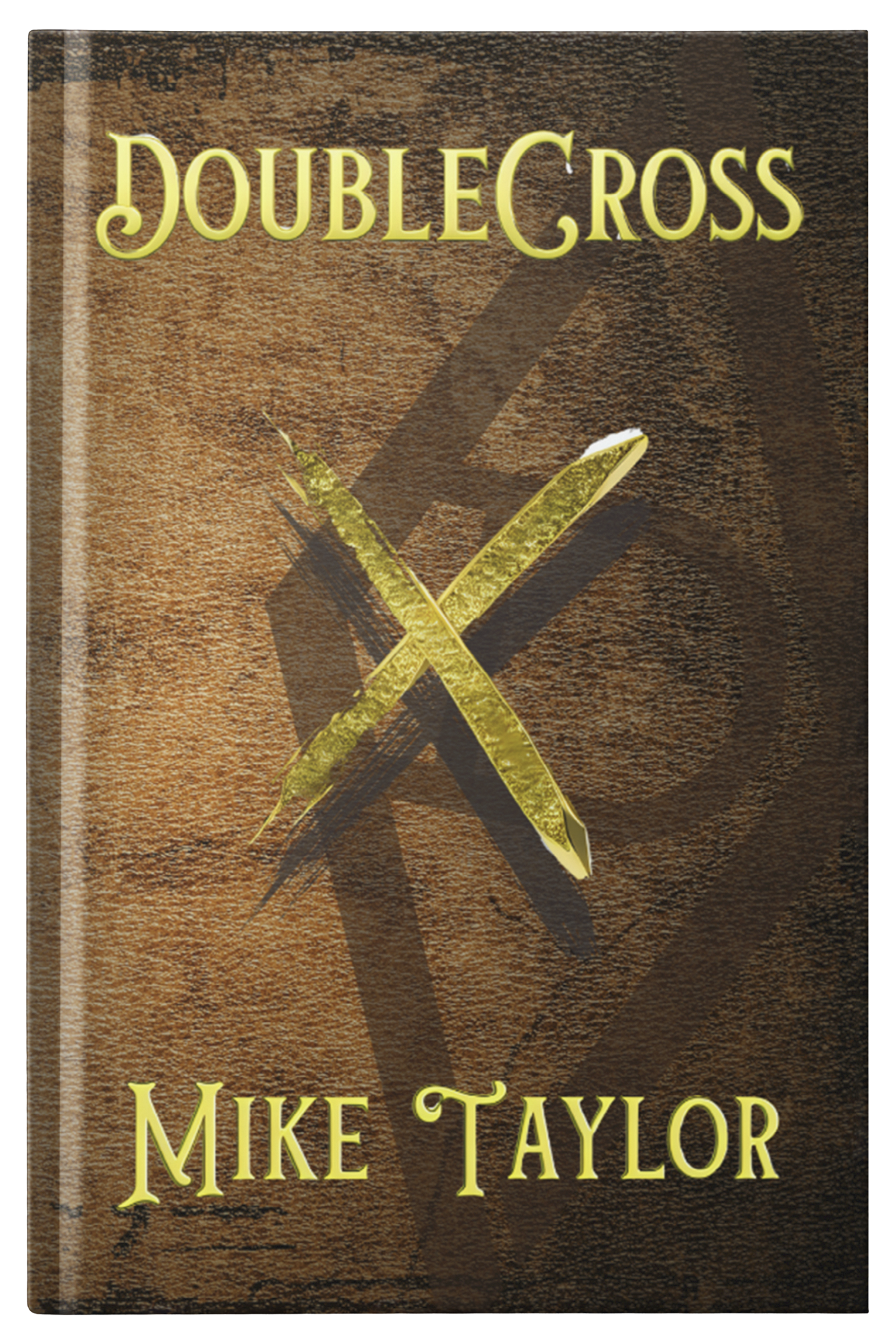
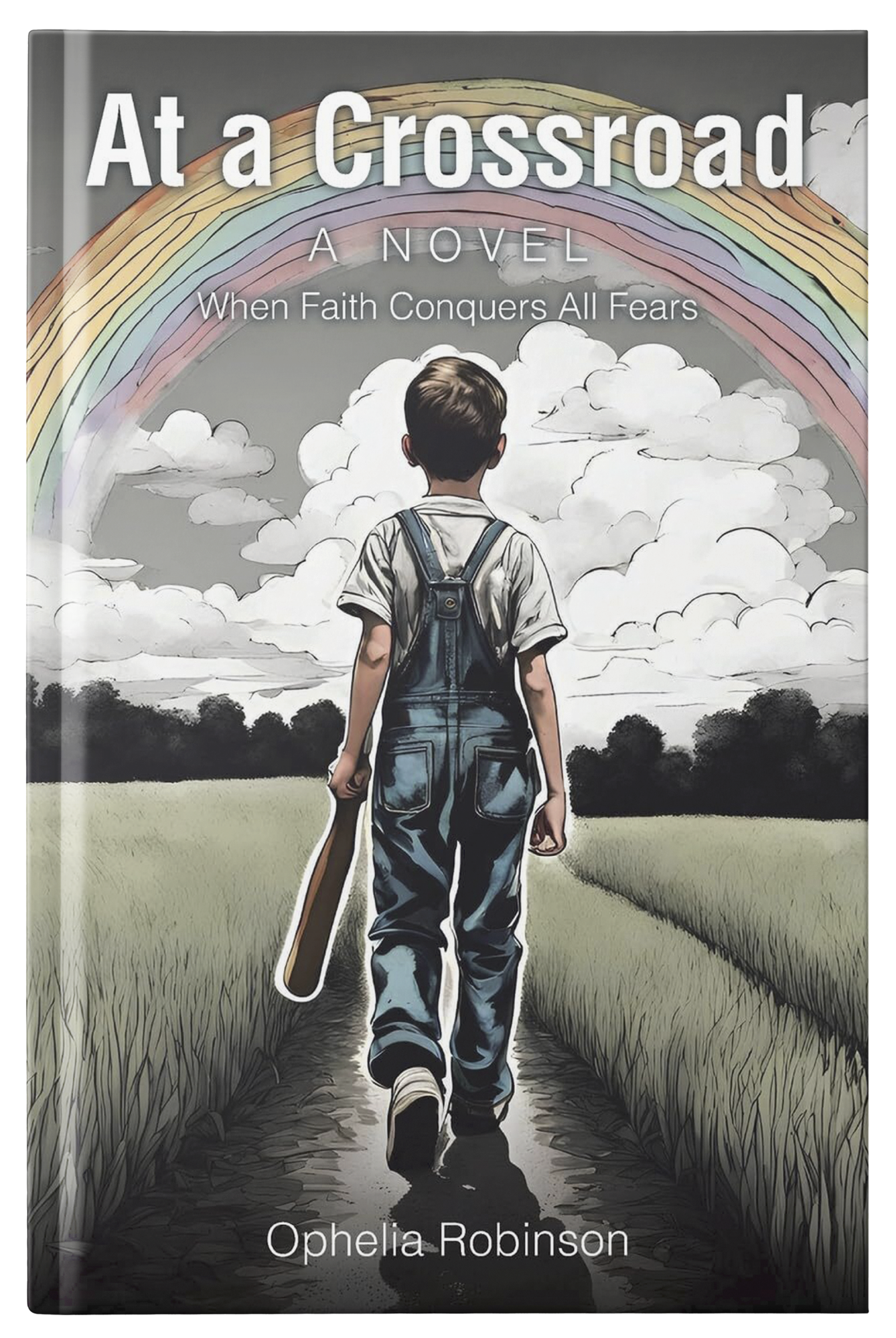


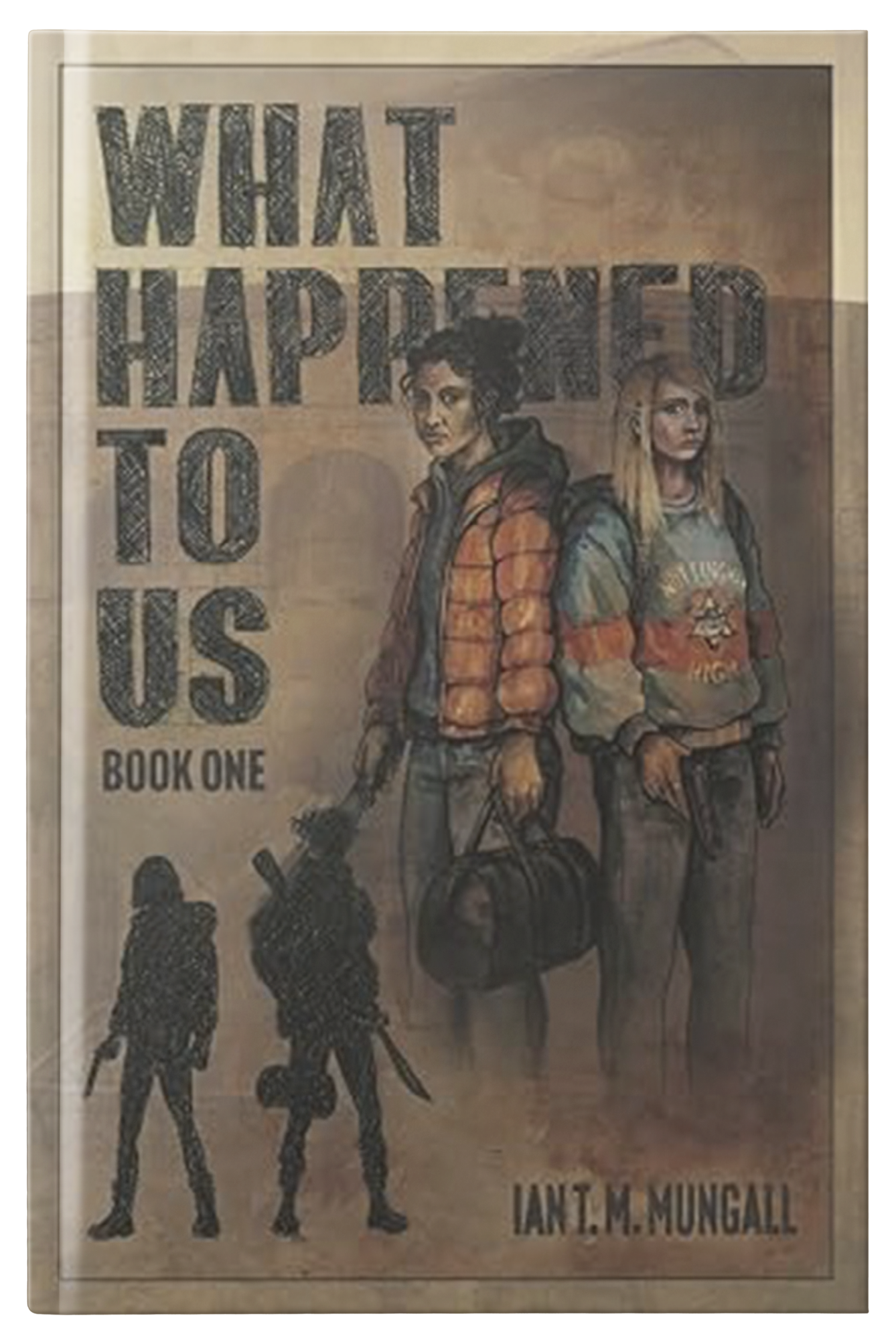


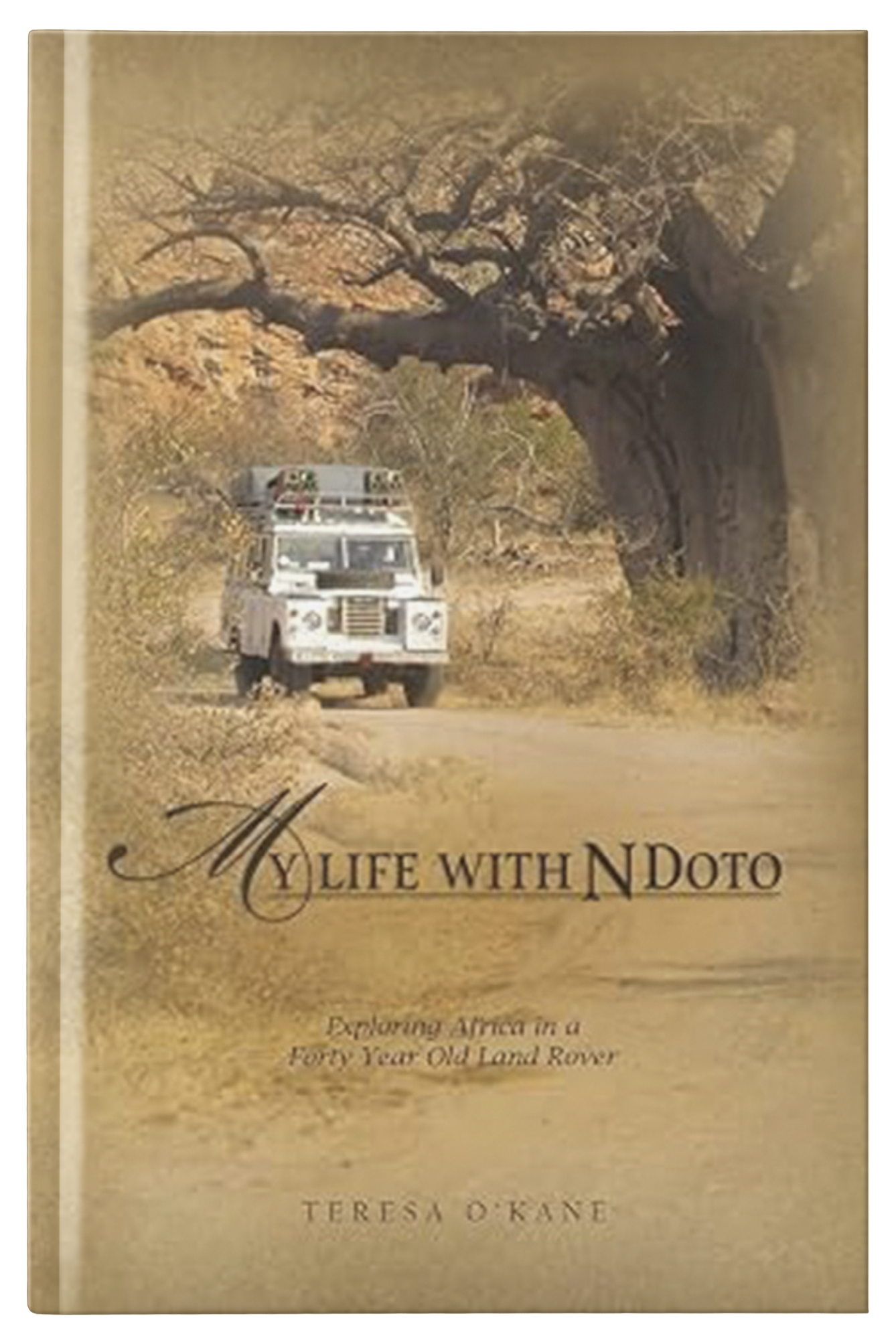
Contact form
Key
TakeAways
Finish structural work before investing heavily in design
Treat editorial stages differently.
Resolve rights and assets early.
Prepare for the actual formats you intend to publish.
FINAL THOUGHTS
Professional publishing preparation is less about making a manuscript appear finished than about making it ready to become a finished book.
That distinction changes the author’s priorities. Instead of spending hours adjusting page numbers or choosing decorative chapter fonts, the more valuable work may be checking whether Chapter 12 contradicts Chapter 4, locating the original photograph used in the introduction, resolving an unattributed quotation, or confirming that the correct version of an appendix is present.
Good production begins with good editorial housekeeping.
When the manuscript is complete, coherent, consistently organized, properly documented, and separated from premature design decisions, editors and production specialists can spend more of their time improving the book rather than repairing its source material.