
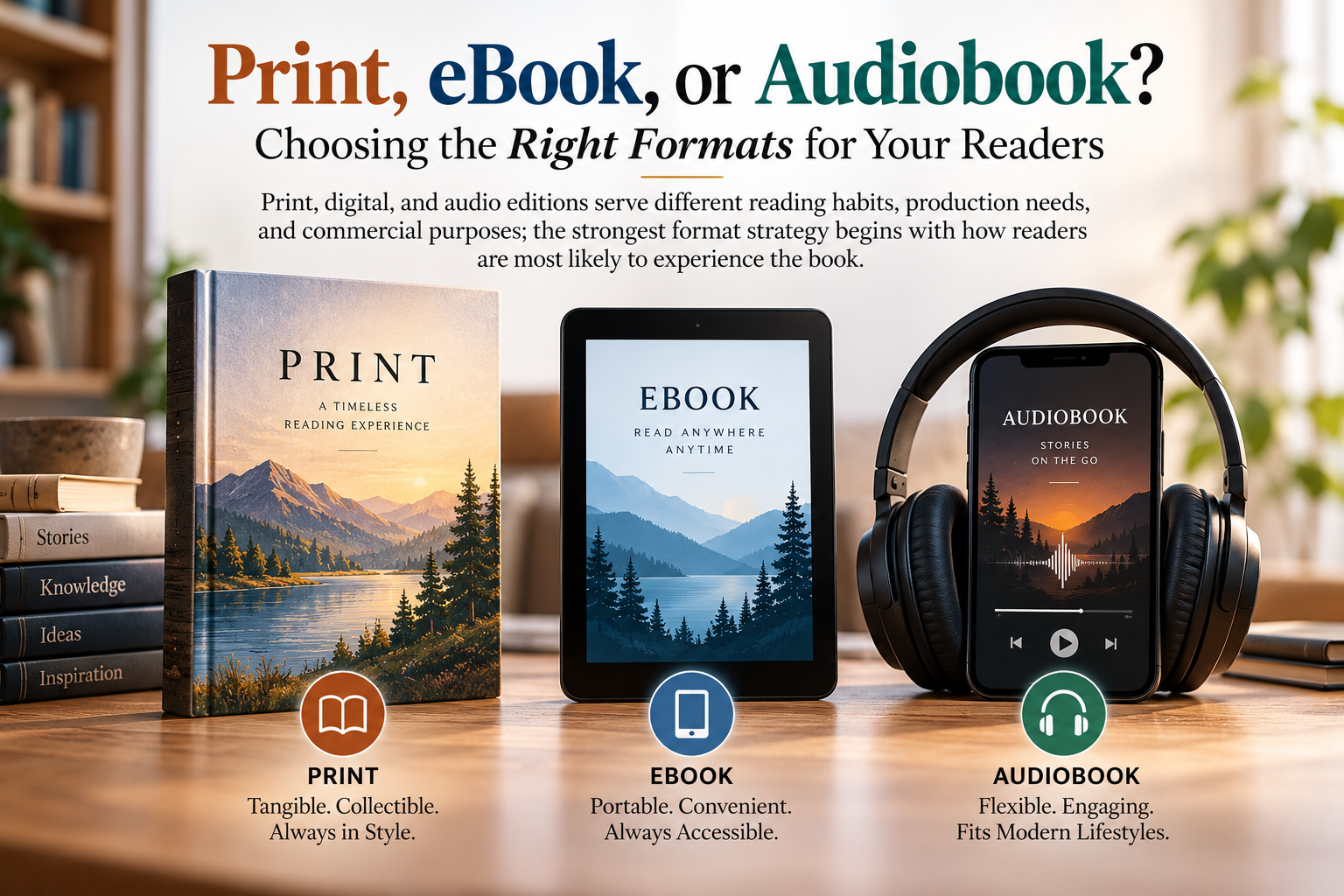
Print, eBook, or Audiobook? Choosing the Right Formats for Your Readers
Print, digital, and audio editions serve different reading habits, production needs, and commercial purposes; the strongest format strategy begins with how readers are most likely to experience the book.
The question is often framed incorrectly.
Authors ask whether print is better than eBooks, whether audiobooks are replacing reading, or which format offers the strongest royalties. The market itself suggests a less dramatic answer: readers continue to use several formats for different purposes.
The Association of American Publishers reported that print formats accounted for 76.3% of U.S. trade-publishing revenue in 2025, while digital audio revenue continued to grow. Meanwhile, the Audio Publishers Association’s 2026 consumer research found that 58% of American adults surveyed had listened to an audiobook at some point.
Those figures do not establish one superior format. They show a market in which physical reading remains commercially important while digital reading and listening serve substantial audiences of their own.
For an author, the strategic question is therefore not:
Which format is winning?
It is:
How is the intended reader most likely to use this particular book?
Start With the Reading Situation
Format choice should begin with reader behavior rather than production convenience.
Imagine the same person encountering three different books.
A lavish photography book may be something they want to hold, display, and revisit physically.
A 90,000-word thriller may be downloaded to an e-reader before a flight because carrying one device is easier than carrying several novels.
A memoir may become an audiobook for the morning commute because the author’s story gains another dimension when performed aloud.
The reader has not changed.
The reading situation has.
That distinction matters because every format changes the relationship between reader and content.
Print provides a fixed physical object.
eBooks provide adaptable digital text and immediate delivery.
Audiobooks transform written language into a time-based performance.
A publishing strategy should examine the characteristics of the manuscript alongside the habits of its audience before deciding which versions deserve investment.
Print Still Matters Because the Physical Book Does Things Digital Formats Cannot
Print remains central to trade publishing. AAP’s 2025 annual data found physical formats continued to generate the large majority of trade revenue.
That commercial strength is only part of print’s role.
A physical book can function as:
- a reading object;
- a gift;
- a signed item;
- a reference tool;
- a classroom or event resource;
- a collectible object;
- a display product; or
- part of a reader’s personal library.
For visually complex books, the case can be stronger still.
Photography, art, illustrated children’s books, certain cookbooks, workbooks, gift books, and design-heavy publications may depend on physical page size, color reproduction, spreads, paper, or tactile interaction in ways a reflowable digital edition cannot reproduce exactly.
Print does, however, introduce manufacturing economics.
Amazon KDP currently uses print-on-demand production for its paperback and hardcover programs, meaning a copy can be manufactured when ordered rather than requiring the publisher to hold inventory. Printing costs are deducted when royalties are calculated. KDP’s current print royalty structure provides either a 50% or 60% rate on qualifying Amazon print sales depending on list price and marketplace, less printing costs.
IngramSpark likewise supports print-on-demand for paperbacks and hardcovers and combines printing with broader wholesale distribution.
Print-on-demand has therefore made physical publishing possible without automatically requiring a large warehouse of books.
That does not mean all print editions should be produced identically.
Paperback may suit an affordable commercial edition.
Hardcover may be valuable for gifts, libraries, premium positioning, special editions, or readers who prefer a more durable object.
For some projects, offering both is justified.
For others, it merely adds production complexity without meeting a meaningful reader need.
eBooks Are About Portability, Adaptability, and Immediate Access
The principal strength of an eBook is not simply that it costs less to manufacture.
It behaves differently.
A properly created reflowable eBook allows text to adapt to different screens and permits readers to adjust text size. Amazon also notes that reflowable Kindle books can work with screen readers and refreshable braille displays when supported by the device or application.
That flexibility can be particularly valuable for:
- novels;
- memoirs;
- narrative nonfiction;
- business books;
- self-development titles;
- genre series;
- travel reading; and
- readers who want adjustable text or digital accessibility features.
IngramSpark describes eBooks as offering instant digital delivery and distributes digital titles to retailers, libraries, academic institutions, and subscription channels through its network.
For independent authors, eBooks also have different economics from print.
Amazon KDP currently offers two eBook royalty plans, 35% and 70%, with the 70% option subject to pricing, territory, delivery-cost, and other eligibility conditions.
A higher percentage should not be mistaken for proof that eBooks are automatically the most profitable format. Revenue depends on price, demand, retail terms, advertising costs, reader expectations, and the way a particular audience prefers to buy books.
The format also has limitations.
A heavily designed reference book may not translate elegantly into a simple reflowable edition. Complex tables, fixed page relationships, typography-dependent poetry, children’s layouts, and highly visual material can require specialized digital production.
Amazon supports fixed or print-replica approaches for certain complex books, but those formats do not offer the same adaptability as standard reflowable text.
The question is not merely whether an eBook can be made.
It is whether the digital edition preserves the usefulness of the original work.
Audiobooks Are a Separate Reading Experience, Not an Audio Export
Audiobook publishing deserves different thinking.
An audiobook is not produced by pressing “convert” on the final manuscript.
It is a performance.
Narration introduces pacing, pronunciation, emphasis, emotion, character differentiation, and vocal interpretation. The wrong narrator can weaken a strong book; the right one can create an experience that feels distinct from silent reading.
The audience is also significant.
The Audio Publishers Association reported in June 2026 that audiobook sales revenue reached $2.43 billion in 2025, up 9% from the previous year. Its consumer survey found that listeners particularly valued the ability to multitask and listen on the go.
That use case explains why certain books translate naturally into audio.
Narrative fiction can benefit from performance.
Memoir can become especially intimate when narrated by the author, provided the author is an effective reader.
Biography, history, business, self-development, and narrative nonfiction can work well for people listening while commuting, exercising, traveling, or completing routine tasks.
Other books are more difficult.
A workbook requiring readers to fill in tables may lose functionality.
A design book may depend on illustrations.
A technical reference work full of equations, charts, footnotes, or visual comparisons may require significant adaptation.
Audiobook suitability therefore depends on whether the essential value of the book survives when the visual page disappears.
Audio Also Requires a Different Production Budget
Professional audio production can involve:
- narrator selection;
- performance direction;
- recording;
- editing;
- mastering;
- quality control;
- pronunciation research;
- chapter and retail-file preparation;
- audio cover artwork; and
- distribution.
ACX currently supports several production structures, including pay-for-production, royalty share, and royalty-share-plus arrangements.
Under Audible’s new royalty model introduced May 26, 2026, qualifying new ACX titles can currently earn a 50% royalty rate under exclusive distribution or 30% under non-exclusive distribution. Non-exclusive distribution allows rights holders to distribute the audiobook through additional services, while exclusive ACX distribution is limited to the channels permitted under that agreement.
Those terms can change, which is why audio rights and distribution agreements should be checked at the time of production rather than assumed from older publishing advice.
Not Every Book Needs Every Format
“Publish everywhere” sounds comprehensive.
It can also waste money.
Each new edition creates additional production work, metadata, quality control, pricing decisions, rights considerations, and marketing needs.
The better approach is to evaluate format fit.
| Type of Book | eBook | Audiobook | |
| Commercial novel | Strong | Strong | Often strong |
| Memoir | Strong | Strong | Often strong |
| Business/nonfiction | Strong | Strong | Often strong |
| Illustrated children's book | Very strong | Depends on digital treatment | Selective |
| Workbook | Very strong | Can be limited | Usually secondary |
| Art/photography book | Essential or highly valuable | Limited depending on design | Rarely primary |
| Poetry | Strong | Possible with careful formatting | Can be powerful with strong performance |
| Technical/reference book | Strong | Often useful for search/portability | Depends heavily on content |
| Genre series | Strong | Very strong | Potentially strong |
This is not a universal rulebook.
A poetry collection performed by the poet may produce a compelling audiobook.
An illustrated children’s title may work beautifully in an appropriate fixed digital format.
A highly specialized business book may find most of its audience in audio.
The table is useful only as a starting point.
The manuscript and intended reader should decide.
The Formats Should Work Together
The most effective format strategy often does not require choosing only one.
Different editions can expand the circumstances in which a reader can say yes to the book.
A reader may encounter the hardcover in a bookstore but purchase the eBook before traveling.
Someone may begin the audiobook during a commute and later purchase a print copy for reference.
A reader who loves an eBook novel may buy the hardcover as a gift.
This is why format expansion should be understood as access expansion rather than duplication.
IngramSpark currently supports both print and eBook distribution through one publishing environment, while Amazon provides systems for linking eligible Kindle, paperback, and hardcover editions when their bibliographic details match.
From a metadata perspective, formats are still distinct products. ISBN.org states that different formats or bindings should receive separate ISBNs when ISBNs are being assigned, and audiobooks are themselves ISBN-eligible products.
That separation allows publishers, distributors, retailers, and libraries to distinguish the exact edition being ordered.
The reader sees one book.
The publishing supply chain sees several products.
Consider Economics Before Expanding
Format strategy also needs a budget.
Print production may avoid large inventory investments through print-on-demand, but every sale carries manufacturing cost.
eBooks avoid physical printing but still require editing, cover adaptation, conversion, quality control, metadata, distribution, and marketing.
Audiobooks can introduce the largest new production layer because a professional recording may require many hours of narration, engineering, editing, and review.
The commercial question is therefore not:
Which format has the highest royalty percentage?
It is:
Which format has a credible audience large enough to justify its production and marketing costs?
Suppose a specialized academic book relies heavily on diagrams and has a small professional readership.
An audiobook may be technically possible but economically weak.
A romance series with an established reader base may present a much stronger audio opportunity.
Similarly, a $50 illustrated hardcover and a $9.99 eBook are not interchangeable products. They may address different parts of the same readership.
Evaluate each format as its own publishing investment.
Simultaneous Release Is Useful, but It Is Not Mandatory
Publishing all formats on the same day gives readers immediate choice and can simplify launch messaging.
It is often attractive when production schedules and budgets allow it.
But simultaneous publication should not become an excuse for weaker production.
A carefully edited print edition released in October followed by a professionally narrated audiobook later may be better than rushing poor audio simply to meet the same date.
The same applies to digital conversion.
A complex print design may require substantial additional work to create a functional eBook.
Authors should therefore distinguish between strategic coordination and artificial synchronization.
Release formats together when the work can be done well.
Stagger them when the additional time produces a materially better edition or allows the author to test demand before investing further.
A staggered format release can even create another legitimate marketing moment.
Rights Need to Be Checked Before Audio or New Editions Are Created
Authors do not always control every format.
In a self-publishing arrangement, an author may retain print, digital, and audio rights and make those decisions independently.
In a traditional or other rights-licensing agreement, the publisher may control some formats while the author or another company controls others.
Audiobook production platforms themselves require rights holders to confirm that they control the necessary audio distribution rights. ACX’s current license agreement explicitly requires the rights holder to own or control the rights necessary to distribute the audiobook.
This should be verified before hiring narrators or paying production costs.
Format expansion is a rights decision before it becomes a production decision.
A Publisher’s Perspective: Format Strategy Is Audience Strategy
Authors sometimes view formats as a checklist:
Paperback: done.
Hardcover: done.
eBook: done.
Audiobook: done.
That can produce more products without necessarily producing more readers.
A stronger publishing conversation begins elsewhere.
Who reads this book?
Where?
Under what conditions?
Does the reader need to annotate it?
Carry it?
Search it?
Display it?
Give it as a gift?
Listen while doing something else?
See the illustrations?
Resize the text?
Return repeatedly to reference material?
Those questions reveal format value more clearly than industry fashion.
The objective should be to remove unnecessary barriers between the book and the reader.
Sometimes that means publishing in all three major formats.
Sometimes the correct answer is a carefully produced paperback and eBook.
Sometimes a premium hardcover is central to the concept.
Sometimes audio becomes commercially important enough to deserve its own launch campaign.
Publishing more formats is not automatically better publishing.
Publishing the right formats well is.
Our Modern Books

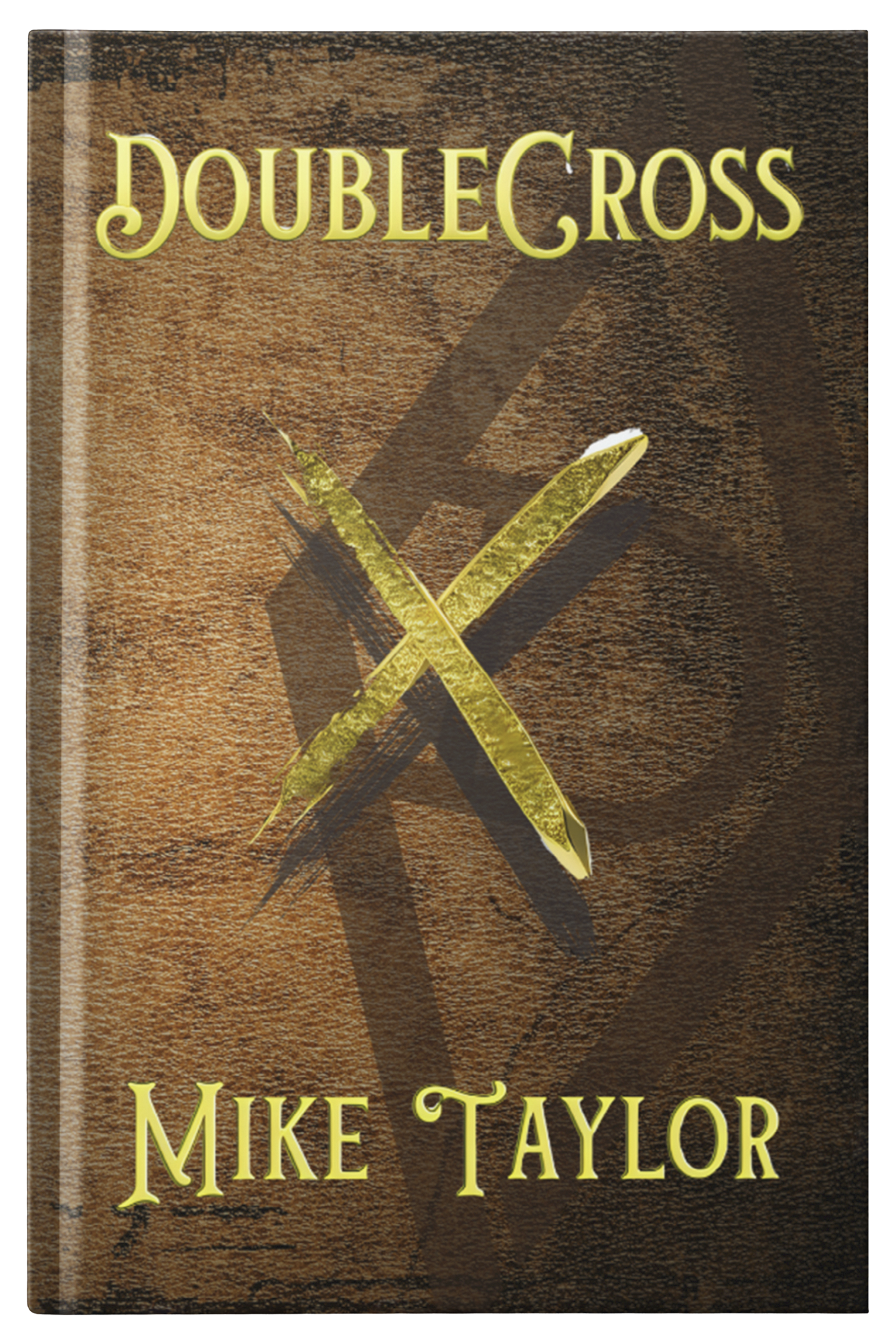
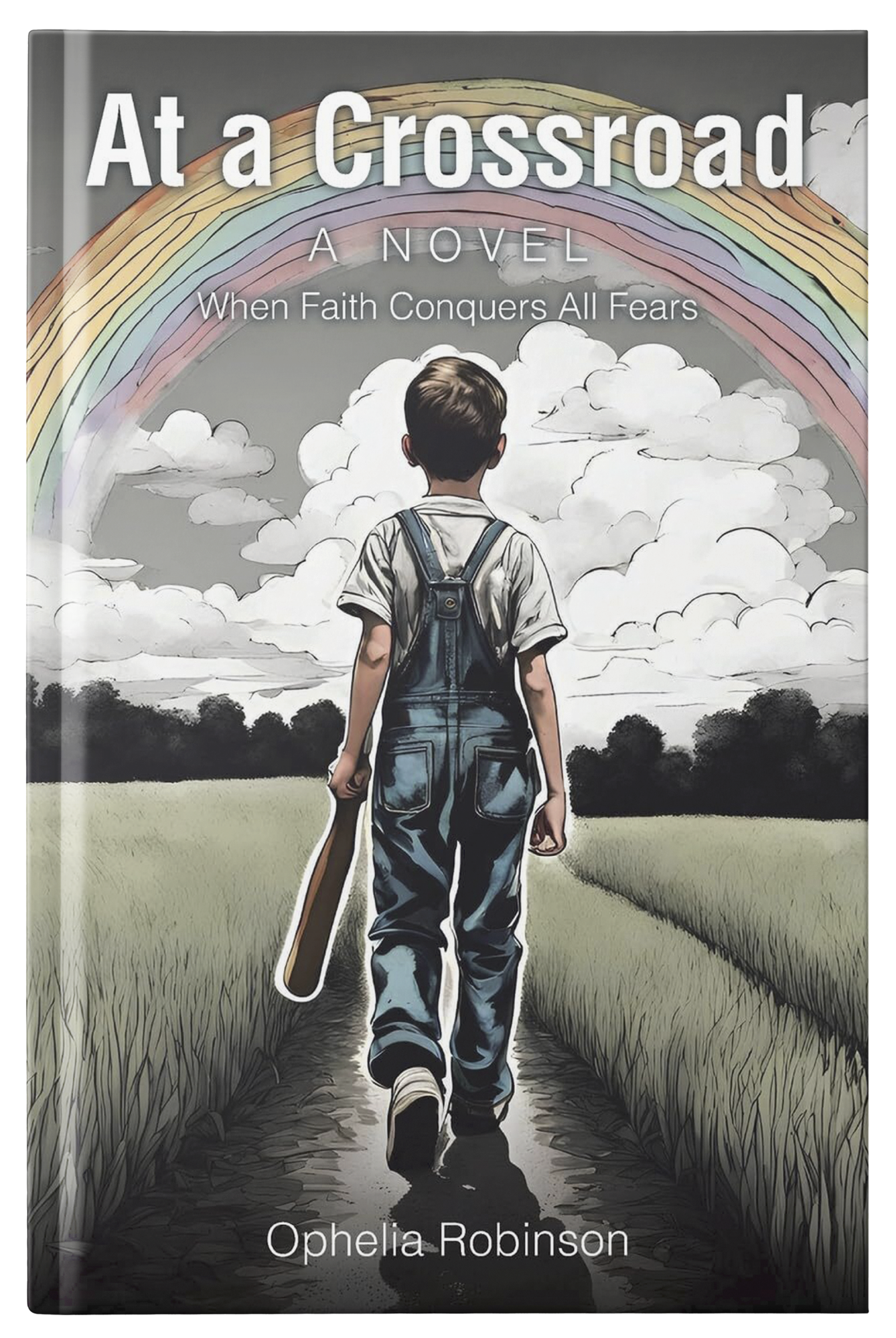
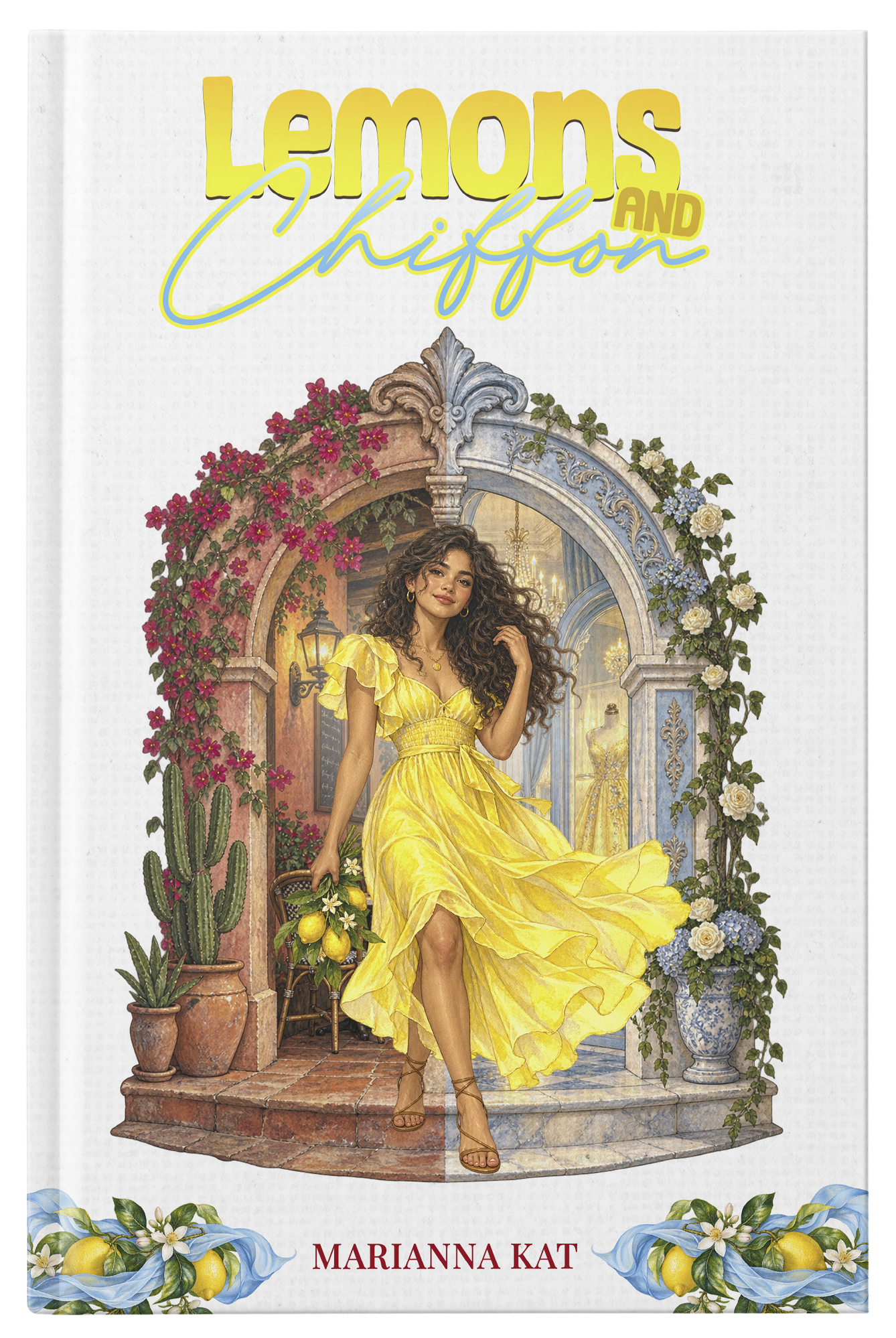



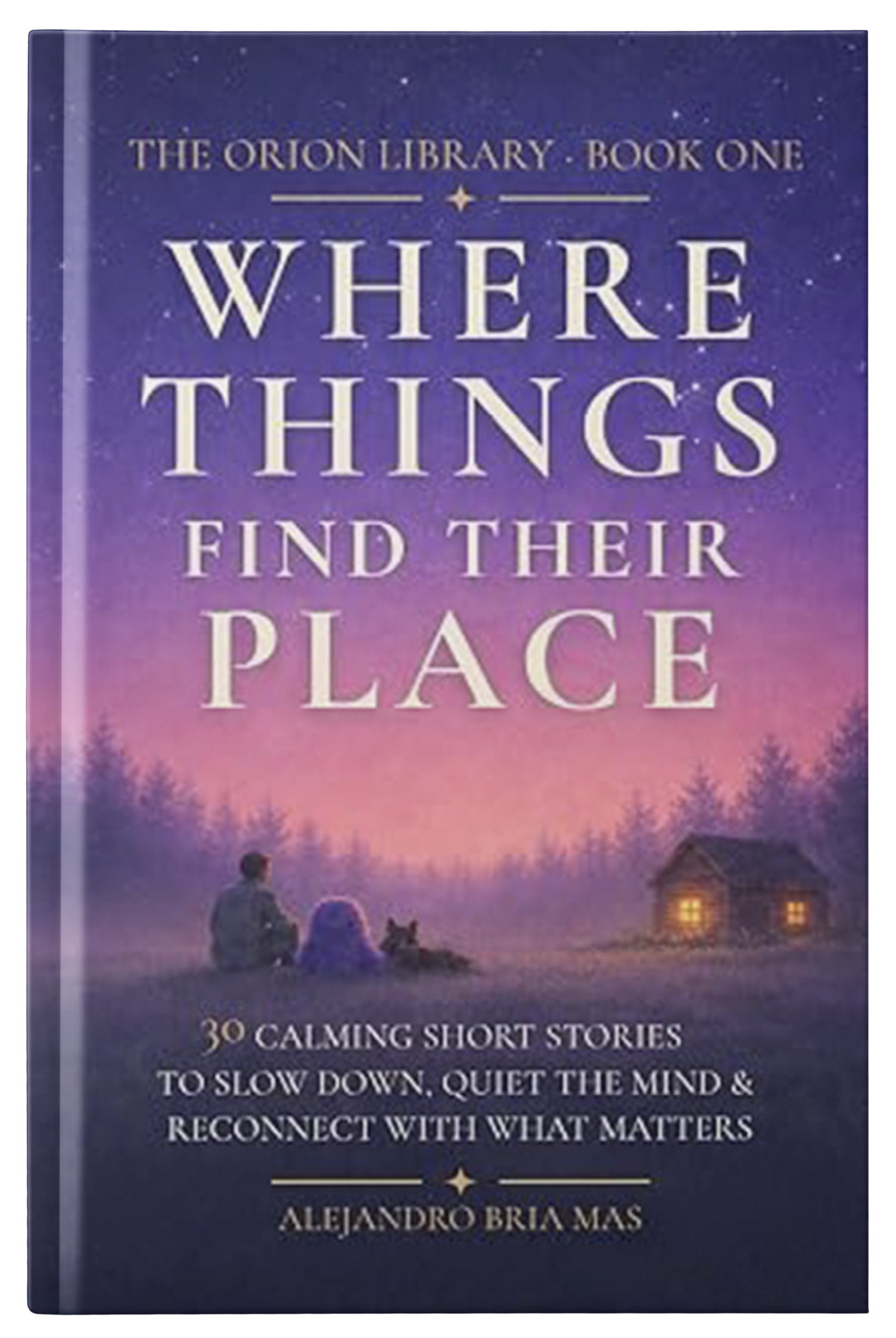

Contact form
KEY
TAKEAWAYS
An author brand is larger than visual identity.
Print remains commercially significant.
eBooks offer portability and adaptability.
Separate author branding from book branding
Audiobooks address a distinct use case.
Consistency in the author's publishing identity matters.
Every additional format is a separate publishing decision.
Do not publish a format merely because it exists.
Build channels that remain useful between releases.
Think in terms of reader continuity.
FINAL THOUGHTS
The strongest format is the one that removes friction between the book and the person most likely to value it.
For one reader, that may be a paperback that can be annotated.
For another, it is a Kindle edition downloaded in seconds.
For someone else, the only realistic way to finish a twelve-hour narrative is through headphones during a week’s worth of commuting.
A modern publishing strategy has the ability to serve all three.
But access should remain purposeful.
Start with the manuscript.
Understand the audience.
Identify how the content needs to be experienced.
Then choose the formats that preserve that experience while giving readers meaningful options.
The objective is not to prove that print, eBooks, or audiobooks have won.
It is to make sure the reader does.