
Building an Author Brand That Extends Beyond a Single Book
A durable author brand gives readers a reason to recognize, trust, and follow the person behind the books, creating continuity across releases without forcing every title to look or sound the same.
A book has a cover, a title, a description, and a marketing campaign.
An author has something longer-lived.
When readers begin associating a name with a particular kind of experience, subject, voice, worldview, or standard of work, an author brand is taking shape. That association may influence whether they notice the next book, subscribe to a newsletter, attend an event, follow an Author Page, recommend an older title, or remain interested between releases.
This is why author branding should not be reduced to a logo, color palette, headshot, or social-media template.
Those are expressions of a brand. They are not the brand itself.
A stronger author brand begins with clarity about what readers should consistently recognize, then builds systems that carry that identity across books, websites, retailer profiles, email, publicity, events, and future publishing projects.
The objective is not to make every book identical.
It is to make the author’s presence coherent enough that one successful reader relationship can continue beyond a single purchase.
An Author Brand Is an Expectation Attached to a Name
Consider what happens when readers recognize an author before they recognize the title of the new book.
They already have context.
A mystery reader may expect a particular kind of atmosphere or intellectual puzzle.
A historian may be known for making complex subjects accessible.
A business writer may become associated with evidence-based management advice rather than motivational generalities.
A memoirist may develop a reputation for a particular degree of candor, cultural observation, or literary style.
That expectation is more meaningful than graphic consistency alone.
The Authors Guild describes an author platform as long-term engagement with a target audience that builds name recognition and trust. Its current educational resources also treat author platforms as combinations of websites, email lists, social media, events, and other ways writers connect with readers.
Brand and platform are related but not identical.
Brand is what readers learn to associate with the author.
Platform is the collection of channels and relationships through which that association is developed.
An author can have many followers and still have an unclear brand.
Another may have a modest audience but a highly recognizable position.
The second often has a stronger foundation from which to grow.
Separate the Author Brand From the Brand of Each Book
One of the most useful distinctions in publishing is the difference between book branding and author branding.
A particular book may have:
- its own cover system;
- genre-specific typography;
- a campaign concept;
- a visual color palette;
- a tagline;
- advertising creative;
- launch messaging; and
- reader positioning.
Those decisions serve that title.
The author brand sits above them.
Imagine an author who writes three business books:
- a book about first-time management;
- a book about workplace conflict; and
- a book about organizational culture.
The covers do not necessarily need to be visually identical.
What should remain recognizable is the author’s broader position: perhaps practical, research-conscious advice for people responsible for leading teams.
That idea can travel from one book to another.
A similar principle applies to fiction.
A novelist’s next cover may change dramatically because the story, setting, or publishing trend has changed. Yet the author may still become known for emotionally complex family dramas, meticulous historical research, witty romantic fiction, morally ambiguous crime novels, or another distinctive reading experience.
The author brand provides continuity without demanding repetition.
Consistency Starts With the Author’s Identity
Before developing visual branding, establish the basic publishing identity.
The author’s name should be treated deliberately.
Amazon KDP notes that an author’s name is one of the most common ways customers search for books. It advises consistency across titles because Author Pages, Series Pages, format linking, and other Amazon features rely on consistent author information. KDP also permits pen names but advises keeping the chosen name consistent across the author’s work.
That means apparently small differences can become strategically important.
Amelia J. Reed
is not automatically the same publishing identity as:
J. Reed
or:
Amelia Reed
An author may have legitimate reasons to use different forms, but the decision should be intentional rather than accidental.
The same discipline should extend to:
- professional biography;
- headshot;
- website domain;
- social handles where practical;
- book retailer profiles;
- speaker biography;
- press materials; and
- author descriptions supplied to publishing partners.
Consistency reduces friction when someone searches for the author after encountering a book, interview, article, advertisement, or recommendation.
Build a Recognizable Position Before Building a Visual Identity
Visual identity becomes easier once the author knows what the brand is supposed to communicate.
Begin with a positioning statement.
It does not have to appear publicly. It can remain an internal strategic document.
A useful version answers:
Who do I write for?
What kinds of books, ideas, or experiences do I expect to create repeatedly?
What do I want readers to associate with my name?
What distinguishes my approach from nearby authors?
Which parts of my identity belong to one book, and which should carry into future work?
A novelist’s positioning might be:
Psychological suspense centered on ordinary people forced into morally impossible decisions.
A nonfiction writer might define the territory as:
Practical financial education for independent professionals with unpredictable income.
Once that core is established, choices about typography, photography, website language, social content, and author biography become easier to evaluate.
Do they reinforce the position?
Or are they simply attractive?
A brand should produce recognition, not decoration for its own sake.
Your Website Should Be Built Around the Author, Not Only the Current Book
A common branding problem appears when an author’s website is designed entirely around the newest release.
During launch, that may seem logical.
Two years later, the site can feel stranded in a campaign that has already ended.
The Authors Guild describes an author website as an important marketing tool and provides author-focused services for websites, domains, and professional email.
IngramSpark’s March 2026 author-platform guidance similarly describes the website as a professional home base under the author’s control rather than a presence dependent entirely on a social platform.
That suggests a useful structural principle:
Build the website around the author, then give each book its own place within it.
The core website might include:
- a clear author introduction;
- books and series;
- biography;
- mailing-list signup;
- news or essays;
- media and speaking information where relevant;
- event information;
- contact details; and
- retailer or purchase links.
When a second or third book arrives, the architecture does not need to be rebuilt.
The catalog expands inside an author identity that already exists.
This is the difference between creating a book-launch microsite and building a long-term author property.
Retailer Profiles Should Represent the Catalog, Not Just One Release
An author brand also develops on websites the author does not control.
Amazon Author Central is a clear example.
Amazon currently allows authors to create an Author Page, add books, maintain biographies, review certain sales and customer-review information, and see follower counts. Amazon’s Author Follow feature can also notify eligible followers about qualifying new releases or pre-orders.
The strategic value is obvious.
A reader who discovers one book can move from the product page to the author and then to the broader catalog.
Goodreads offers a similar author-level structure. Its Author Program allows eligible published or soon-to-be-published authors to claim a profile, update author information and book listings, interact with readers, and access promotional tools.
These profiles should be treated as extensions of the author identity.
Keep the biography current.
Use a recognizable photograph.
Confirm that the correct books are associated with the profile.
Make it easy for someone who enjoyed one title to understand what else the author has written.
That is author branding functioning at the point of reader discovery.
Build at Least One Direct Relationship With Readers
Social platforms can be powerful discovery mechanisms, but an author’s entire relationship with readers should not depend on a single feed.
Platforms change.
Algorithms change.
Audience behavior changes.
Accounts can become less active or less useful to a particular author.
The Authors Guild’s March 2026 program on promoting books without social media explicitly emphasizes that writers can build platforms and find readers through other channels rather than treating social-media participation as mandatory.
A website and email list provide a different kind of continuity.
IBPA’s June 2026 guidance on email-list development emphasizes building a targeted list of genuinely interested readers, maintaining that relationship over time, and segmenting communication according to reader interests rather than simply accumulating as many addresses as possible.
This matters especially across multiple books.
A social follower may have briefly noticed one post.
An email subscriber has taken a deliberate step to remain connected.
That relationship can carry between launch cycles.
When Book Two arrives, the author is not communicating entirely with strangers.
Social Media Should Express the Brand, Not Become the Brand
Authors often reverse this relationship.
They begin by asking:
What should I post on Instagram?
Do I need TikTok?
How often should I post?
Should I make videos?
Those questions concern distribution.
They should come after the author knows what they have to say.
A sustainable content strategy normally grows from several recurring areas of relevance.
A historical-fiction author might discuss:
- research discoveries;
- historical places;
- overlooked figures;
- books influencing the work;
- archival material; and
- the writing process.
A leadership author might discuss:
- difficult management situations;
- workplace research;
- communication problems;
- leadership myths;
- practical frameworks; and
- new developments in organizational life.
These are content pillars, not rigid categories.
They help readers understand what conversation they are joining when they follow the author.
The author does not have to become a full-time content creator. In fact, a sustainable brand should respect the author’s actual strengths, preferences, and writing schedule.
A thoughtful monthly essay may suit one author better than daily short-form video.
A podcast may suit another.
A newsletter, speaking program, book club, academic presence, or professional association may outperform social media entirely for a particular readership.
The channel is tactical.
The relationship is strategic.

Visual author branding matters, but excessive uniformity can become restrictive.
A useful author identity might establish consistency through:
- photography style;
- typographic preferences;
- logo or wordmark where useful;
- color families;
- layout principles;
- website design;
- social templates; and
- presentation materials.
The objective is not to place the same border and color combination around every piece of communication.
It is to create enough continuity that the author feels recognizable.
Book covers require even more flexibility.
Cover design is primarily responsible for positioning the book correctly within its market. If an author changes genre, subject, audience, or series, forcing a rigid author-brand palette onto every cover may weaken the book’s commercial communication.
Brand architecture should therefore operate at levels.
Author level: recognizable identity.
Series level: strong visual continuity where appropriate.
Individual book level: enough freedom to communicate genre, subject, tone, and marketplace position.
A strong brand system knows what needs to remain consistent and what is allowed to change.
Decide Carefully Whether Different Genres Need Different Brands
Some authors write books that naturally belong together.
Others do not.
A novelist who writes contemporary romance and romantic comedy may be able to serve both under one identity because the readership overlaps significantly.
A writer producing children’s picture books and explicit crime fiction may face a very different branding problem.
Pen names can be one solution.
Amazon KDP permits authors to publish under pen names while keeping their legal name associated privately with the KDP account for payment and tax administration.
The strategic decision should depend less on whether two genres are technically different and more on reader expectation.
Ask:
Would readers of one body of work reasonably be interested in the other?
Would combining them confuse retailer positioning or audience expectations?
Does the author’s public identity need to serve unrelated professional purposes?
Would maintaining two brands create more work than the audience distinction justifies?
Separate brands are not automatically more professional.
They are useful when they solve a genuine audience problem.
Give Readers Something to Follow Between Books
An author brand cannot survive entirely on launch announcements.
For many writers, publication cycles are long. A book may take years to write, edit, sell, produce, and release.
If the author communicates only when asking readers to buy something, the relationship repeatedly goes dormant.
The solution is not constant promotion.
It is relevant continuity.
Authors can remain visible through:
- essays;
- newsletters;
- reading recommendations;
- research notes;
- interviews;
- events;
- professional commentary;
- book-club participation;
- teaching;
- speaking;
- podcasts; or
- thoughtful social content.
The right choice depends on the author.
The important point is that the communication should make sense even when no new book is available.
A historian can still discuss history.
A novelist can still discuss reading and storytelling.
A psychologist can still explain psychological research.
An illustrator can still discuss visual storytelling.
If the author’s public presence has value only when a book is being sold, it will always feel promotional.
A durable brand gives people a reason to remain interested in the author as well as the publication.
Measure the Brand Across the Catalog
Book campaigns are often measured title by title.
That remains necessary, but author branding introduces longer-term indicators.
Consider whether:
Readers move from one book to another.
Newsletter subscribers remain engaged between launches.
The author’s name generates direct searches.
Retailer followers increase.
Media inquiries begin referencing expertise rather than only one title.
Events or speaking invitations continue after a launch.
New releases begin with a larger reachable audience than previous releases.
These signals indicate that marketing effort is accumulating instead of resetting to zero with every book.
Amazon Author Central’s follower functionality is one concrete example of this author-level relationship: readers can follow the author rather than only purchasing a particular title.
That distinction captures the purpose of author branding unusually well.
The book earns the first relationship.
The brand helps preserve it.
From the Author Brand Strategist’s Desk
One of the most expensive branding mistakes is rebuilding an author’s identity around every new book.
The colors change.
The website changes.
The biography changes.
The social voice changes.
The audience changes.
The messaging begins again.
Sometimes those changes are necessary. Usually, some part of the previous work should survive.
A better strategy identifies the enduring layer first:
What remains true about this author after the current launch campaign ends?
That might be expertise.
A worldview.
A genre.
A recurring emotional experience.
A distinctive voice.
A particular community of readers.
Build the durable identity around that layer.
Then allow each book to introduce something new.
The result is not rigid sameness. It is recognition with room for growth.
Our Modern Books






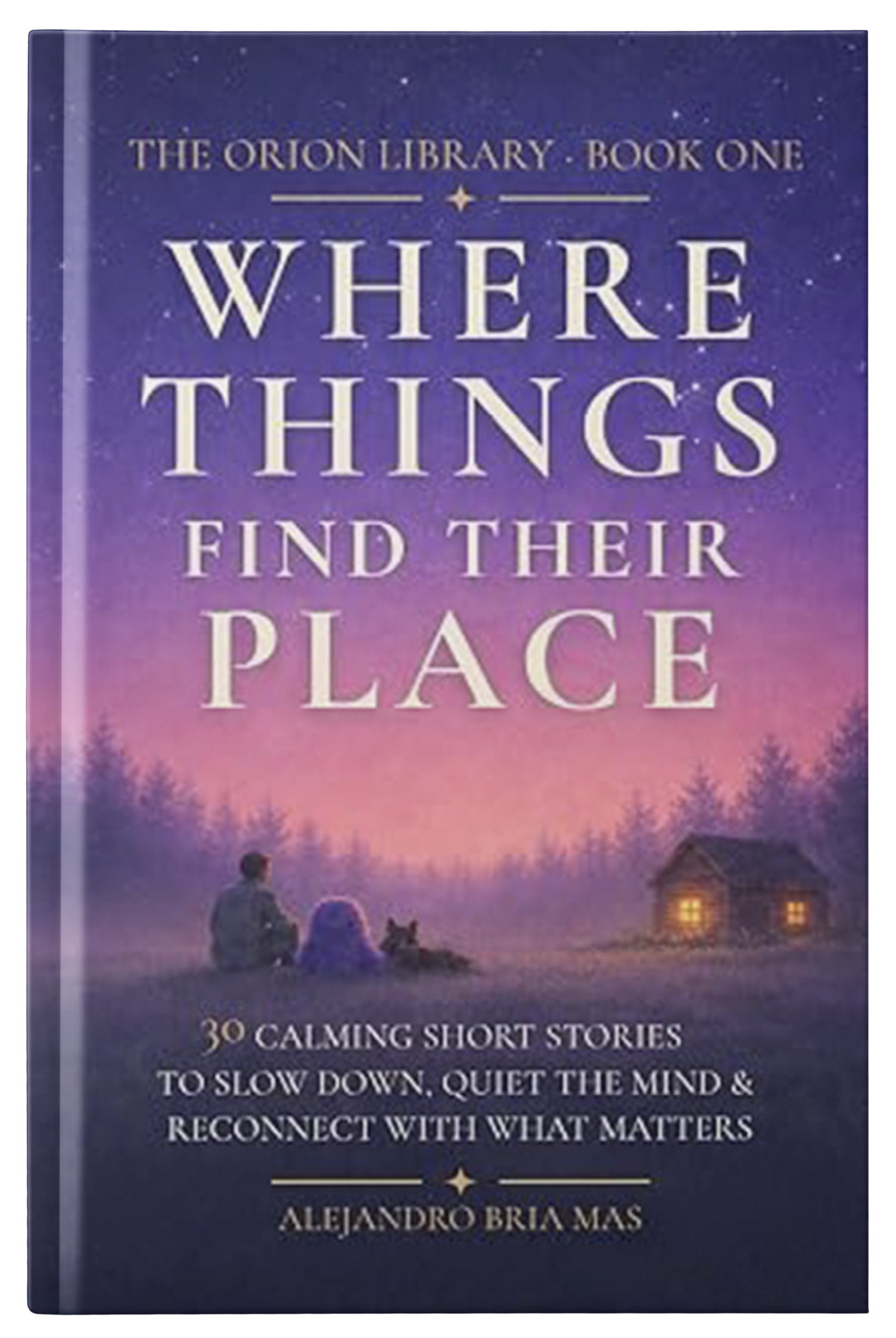

Contact form
KEY
TAKEAWAYS
An author brand is larger than visual identity.
An author brand is larger than visual identity.
Separate author branding from book branding.
Separate author branding from book branding
Consistency in the author's publishing identity matters.
Consistency in the author's publishing identity matters.
Build channels that remain useful between releases.
Think in terms of reader continuity.
Build channels that remain useful between releases.
Think in terms of reader continuity.
FINAL THOUGHTS
A single book can create attention.
An author brand determines how much of that attention survives.
This does not require transforming a writer into a lifestyle personality or constant online performer. Nor does it require every book cover, photograph, newsletter, and social post to look identical.
It requires continuity.
A reader should be able to encounter the author in several places and recognize the same underlying identity: the same name, positioning, values, voice, professional standard, and reason to remain interested.
The strongest test is therefore simple.
Remove the newest book from the author’s website, biography, and promotional campaign.
Is there still a clear reason to follow this person?
If the answer is yes, the author has begun building something that can outlive a launch.
The next book will not have to start from nothing.